ROBOBOOMRobotics competitions · 2026–2027 season

2026–2027 SEASON

ROBOBOOM
A New Season

20 events this season

8Progressive Events
Choose by learning stage
12Specialty Events
Choose by interest
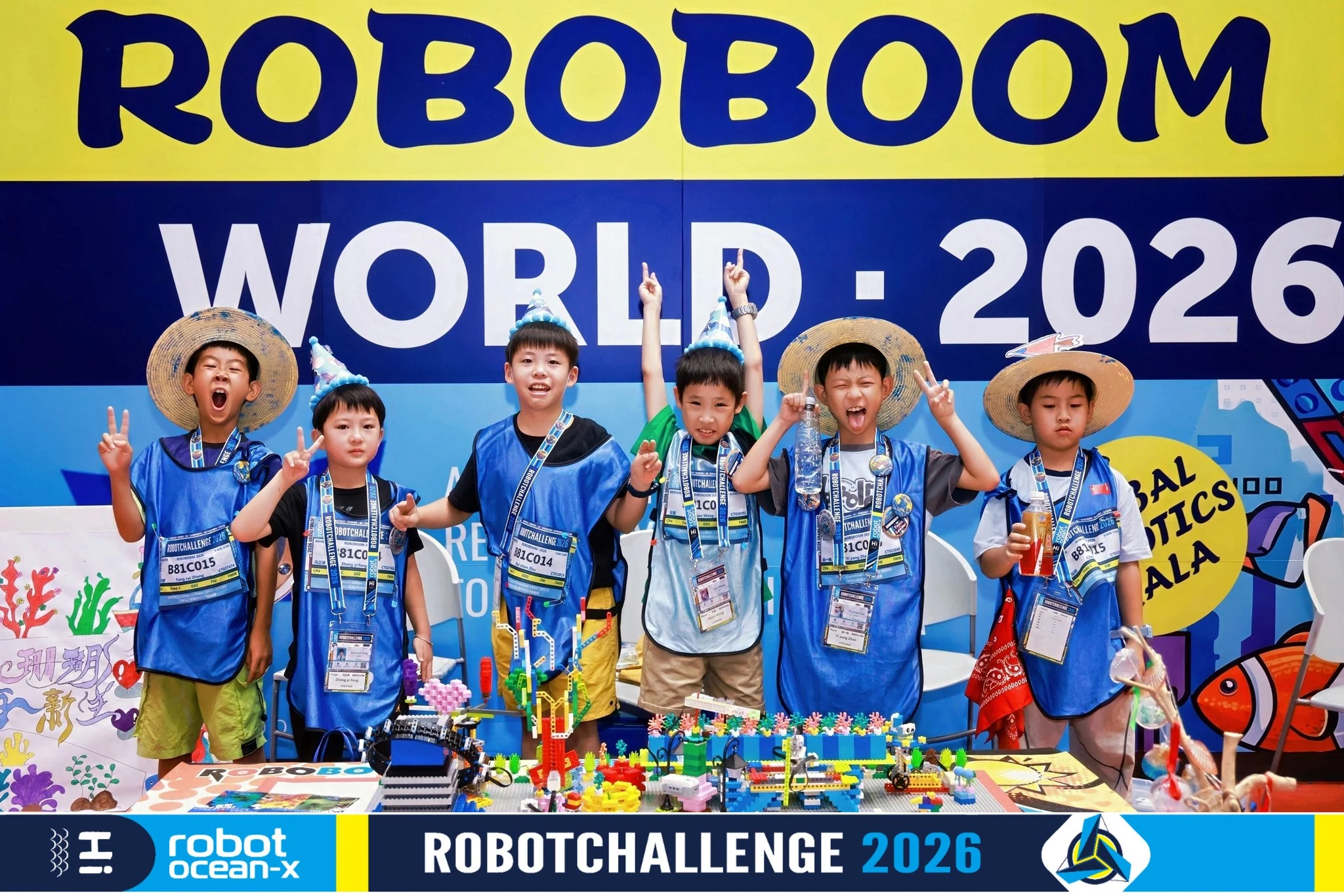
Six competitors in blue team shirts pose behind their construction, with the ROBOBOOM WORLD 2026 venue backdrop behind them.
At ROBOBOOM WORLD · 2026

ROBOBOOM is the robotics education and competition brand for children within ROBOTCHALLENGE (RC), the international robotics competition. At RC, competitors from different countries follow the same rules and tackle challenges with robots they have designed themselves. They put their ideas to the test and discover different solutions to the same problem in one another’s work.

ROBOBOOM designs challenges around children’s stages of learning. From building mechanisms that move to programming robots to complete tasks autonomously, children bring what they learn in class to the competition—and take new ideas back into their next stage of learning.

ROBOBOOM · NEW FOR 2026–2027

Eight events.
One path of growth.

RB Progressive Events are staged competitions closely connected to everyday robotics teaching. They are a key way RB links learning with competition. The eight events introduced this season turn the teaching priorities of the RB Stage Syllabus into practical competition tasks.

Completing a competition task also brings a period of learning together. Each entry shows what a child has learned, while results record their performance—giving recognition on the competition floor to the skills developed in class.

Four learning stages. Eight challenges.
Eight Progressive Events form a four-level learning pathwayEach level has two parallel events, A and B. From left to right, the blue structure layer continues through all four levels. L2 adds power, L3 adds control, and L4 adds sensing. The final column combines all four layers of skills.
  1. L1 Structure
    A
    Structural design
    B
    Motion adjustment
  2. L2 Power
    A
    Transmission control
    B
    Mechanism coordination
  3. L3 Control
    A
    Real-time control
    B
    Programmed control
  4. L4 Sensing
    A
    Autonomous execution
    B
    Sensor-based decisions

The four levels follow the RB Stage Syllabus. Each has an A event and a B event, addressing different teaching priorities within that stage. Skills from earlier levels remain in use at later ones, forming a continuous path from building structures to autonomous robot operations.

Build · Control · Program

Eight Progressive Events: an overviewEnglish overview · 7 min 02 sec

L1 Initiation Structure and motion

L1A

Ball Sorting by Size
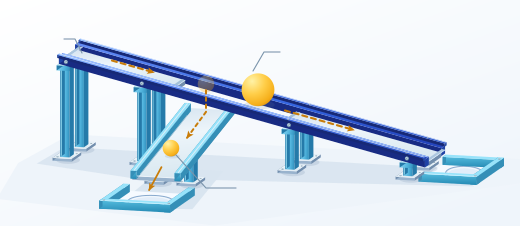
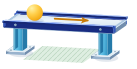
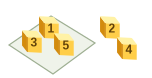
Large and small balls roll down from the same entry point. An opening runs between the upper rails: the two rails support the large ball as it rolls to the far bin, while the small ball drops through the gap and follows the lower chute into the near bin.
Three sorting routes
  • Together, then apartShare a section of track

  • Separate, then deliverSplit at the entry point

  • Take a detourSplit, then go around a post

Large and small balls start at the same entry point. Competitors build tracks that use gravity to separate them and guide each ball to its designated destination.
L1B

Winch and Cylinder Challenge

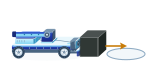
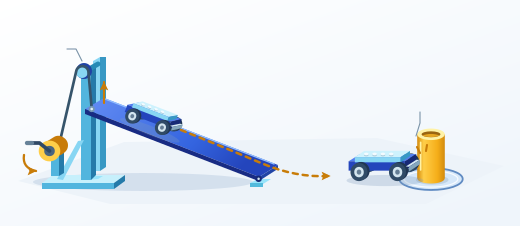
Turning the winch raises the ramp. Once released, the vehicle rolls down under gravity and its front directly contacts the cylinder. The orange dashed line shows its route from the ramp to the cylinder.
Three cylinder tasks
  • A gentle touchKeep the cylinder in its zone
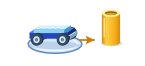
  • Knock it awayTake the cylinder’s place
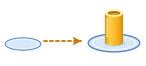
  • Push it alongPush it to the finish
Competitors adjust a ramp with a winch and let the vehicle roll down under gravity. Depending on the task, it must gently touch the cylinder, knock it out of its original zone, or push it to the finish.

L2 Discover Power and transmission

L2A

Rotary Delivery Challenge

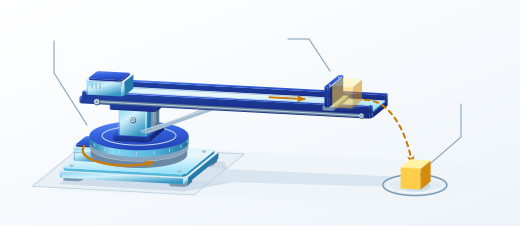
A motorised turntable on a fixed base turns the load platform. After aligning with the blue circle and coming to a stop, a pusher moves along a straight guide to deliver one block. The dashed line shows the same block leaving the platform and reaching the target.
Turntable-to-target distances shown
  • Short-range deliveryApprox. 28 cm
  • Medium-range deliveryApprox. 40 cm
  • Long-range deliveryApprox. 49 cm
The turntable aims and the delivery mechanism sends the block out. Together, they must deliver blocks into target zones in different directions and at different distances.
L2B

Gripper and Dump Truck Challenge

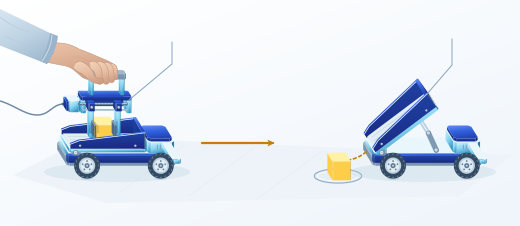
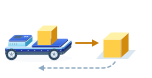
On the left, a competitor holds the handle of a separate gripper. Its two pads contact opposite sides of a block, which has been placed on the bed of the stationary truck. On the right, the bed tilts to unload the block into the target.
Three ways to move cargo
  • Deliver to four placesFour items, four destinations
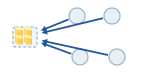
  • Return to one depotFour items, one destination
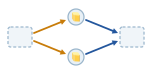
  • Deliver, then collectDeliver all before collecting
Each delivery calls for two mechanisms to work in sequence. A motorised gripper loads the cargo onto the truck; the truck carries it to the designated location, then raises its bed to unload.

L3 Explore Remote and programmed control

L3A

Number and Ring Challenge

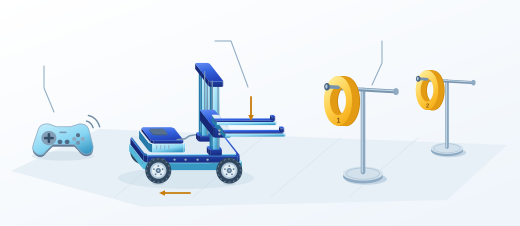
The ring-hanging task at completion. The vehicle has lowered its lifting support and reversed away. Each ring hangs from the marked end of a separate target stand, with a clear gap between the rings and the robot.
Three remote-control tasks
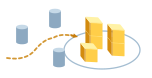
  • In this task example, blocks 1, 3 and 5 have been delivered into the green diamond, making a total of 9. Blocks 2 and 4 remain outside.Make the target numberAdd three blocks to reach it

  • Two rings hang from the marked ends of two separate fixed stands.Hang the ringsTwo rings on two stands
  • Go around three cylinders and return two stacks of two blocks and one single block to the white circle. Keep both two-block stacks intact.Keep it steadyCarry stacks around posts
Competitors control a robot remotely on site to make a target total with numbered blocks, hang rings on stands, or carry cargo around obstacles.
L3B

Patrol Sentry Challenge

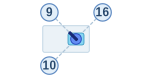
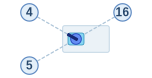
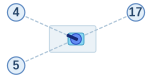
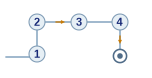
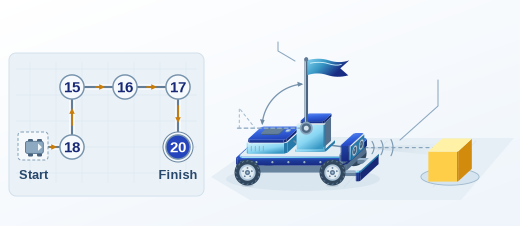
On the left is the waypoint order for the first multi-point patrol variant. With a single start from the start zone, the vehicle passes points 18, 15, 16 and 17 in order, then stops at finish point 20. On the right is the smart sentry task: detecting a block triggers a stop; the flagpole rises and, once stationary, automatically returns to its lowered position.
Three autonomous tasks
  • Start once from the start zone, drive through the first to fourth points in order, and stop at the finish. The numbers show the order of travel.Multi-point patrolVisit four points in order
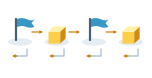
  • Raise the flag on the first and third patrol trips; collect cargo on the second and fourth. Return to the start zone after every trip.Smart sentryAlternate flag and cargo trips
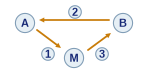
  • On the first trip, move cargo A to transfer zone M. On the second, move cargo B to zone A. On the third, move cargo A from the transfer zone to zone B.Cargo swapSwap via the transfer zone
Competitors program the patrol route and actions. The robot can visit designated points in order, or stop and raise a flag when it detects a block.

L4 Challenge Sensing and autonomous operations

L4A

Target Range Operations Challenge

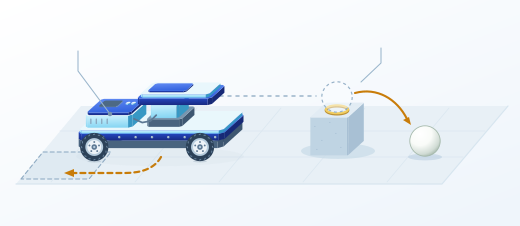
One trip in the target-range task. The vehicle is stationary; the table tennis ball on the right has left the yellow rubber band and landed beside the target base. The arrow on the floor points back towards the work zone.
Three operation tasks
  • On each trip, the vehicle carries one item to its matching target, then returns to the work zone.Autonomous deliveryOne item per trip
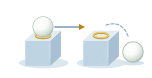
  • The table tennis ball on the left is on the target base; the ball on the right has left its base and landed on the ground.Target-range trainingStop and knock off the ball

  • The front pusher moves a block along the ground. After completing the push, the vehicle reverses into the parking box.Push and parkPush the box, then reverse
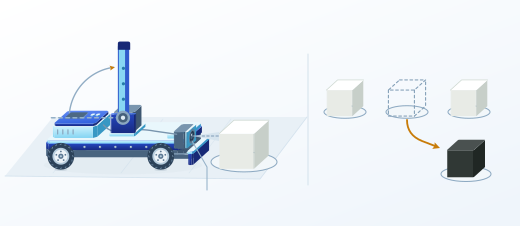
Whether delivering cargo, knocking a target ball off its base, or pushing a box into storage, the robot must work independently. Competitors plan both how it travels and what it does when it arrives.
L4B

Master of Sensing Challenge

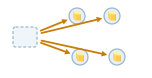
On the left, the vehicle stops in front of a white block. Its front sensor reads the colour, and its signal arm is raised. On the right, the example has a black block at the middle point: a dashed outline marks its original position, while the solid black block has been delivered to the target zone. Both white blocks remain in place.
Three sensing and handling tasks
  • The pusher moves the black block towards the target zone. Both white blocks must remain in their original positions.Remove the odd colourPush only the black block
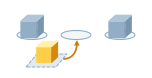
  • One of three points is empty. After checking all three, the vehicle returns to the work zone, then pushes a replacement block to the previously empty point.Inspect and replenishFill only the empty point

  • The gripper takes only the upper key from a stack, leaving the lower block in place. Return to the work zone after each of the four steps: collect the key, place the key, collect the cargo, and deliver it.Unlock and collectDeliver the key, then collect
Which block should be moved? Which cargo point needs replenishing? The robot must use sensors to establish what is there and make its own decisions.

A SHARED BASIS FOR LEARNING AND CHOOSING EVENTS

What is the RB Stage Syllabus?

The RB Stage Syllabus is a framework of robotics knowledge and skills organised by learning stage. It begins with structural building and introductory mechanics, then progresses to powered mechanisms, robot programming and autonomous operations. It sets out what children should understand and be able to do at each stage.

L1–L4 Knowledge SyllabusOfficial version V3.0
  1. 4Levels
  2. 8Projects
  3. 31Knowledge categories
  4. 186Knowledge points

Start with the relevant L1–L4 level, then explore the knowledge categories under its A and B projects. Each knowledge point has a code, a name and a description, making it possible to look up specific learning requirements.

One syllabus—for teaching and choosing events

Plan teaching

Teachers compare what they have taught with the syllabus, then consider which skills children can use independently. This helps them decide whether to strengthen a foundation next or ask children to combine several skills in a single challenge.

Choose an event

RB designs each level of Progressive Events around the syllabus. Competitors can first find the level that matches their learning progress, then compare the focus of its A and B events. For Specialty Events, start with an interest, then use the syllabus to identify the foundations required.

A shared measure for classroom and competition

Classes may follow different lesson plans, while teachers and students can still discuss progress using the same skill requirements. Before a competition, the syllabus helps competitors find a suitable challenge. Afterwards, teachers and children can review their work together, use what they can now do independently as a starting point, and decide what to learn next.

ONTO THE COMPETITION FLOOR

Bring your creation.
Join a shared stage.

This season, RB’s eight Progressive Events will feature in Alliance Activities, regional open competitions and the annual international competition. Children can take on challenges at a local organisation, or bring their creations to regional qualifiers for the chance to compete alongside peers from other countries.
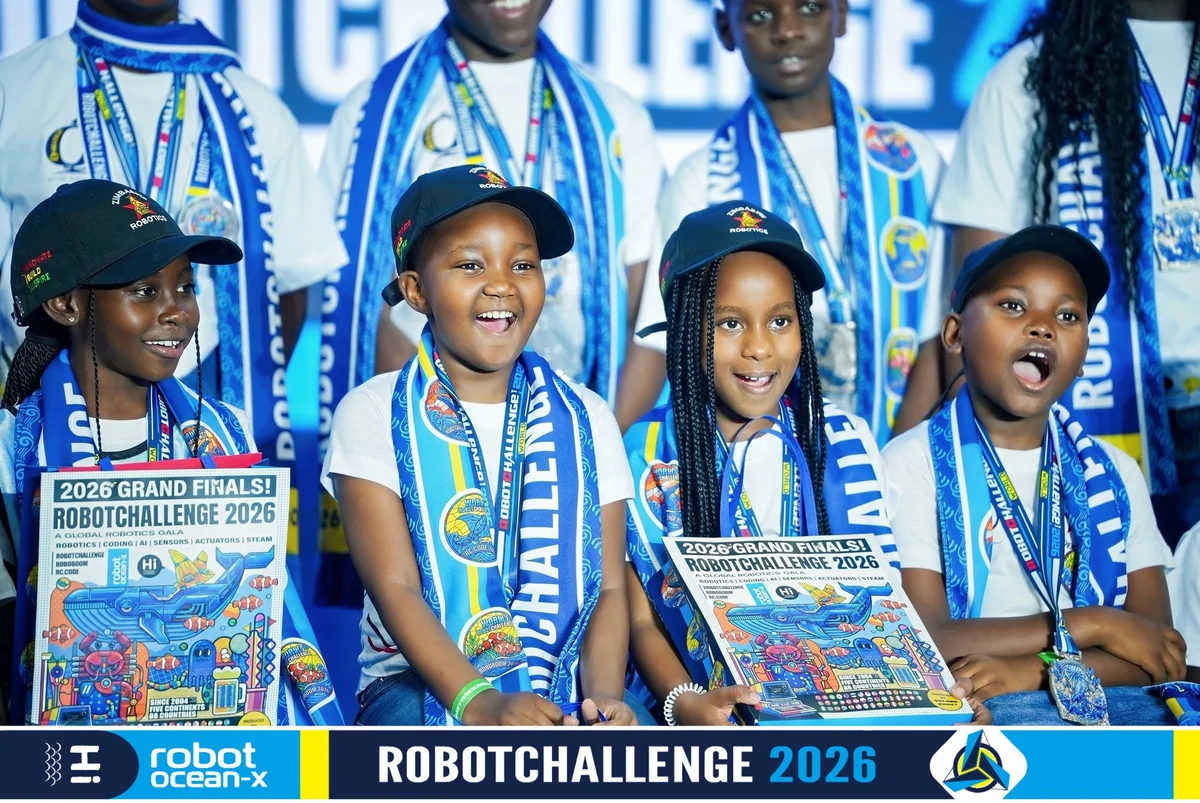
Four young competitors wearing medals sit together, holding Global Final handbooks.
Badges on—together at the World competition2026

Alliance Activities

Alliance organisations can schedule Progressive Events around local activities and their students’ learning progress. Competitors can ask their organisation which events and sessions are available, and tackle challenges alongside local peers.

China Open competitions

China Open competitions take place in Chongqing, Beijing, Shanghai, Guangzhou and other cities. Teams competing in the eight Progressive Events qualify for the same event at the World competition by earning a Second Prize or above in that event at an Open competition. The events available at each stop are listed in its own competition notice.

National and regional qualifiers

Countries and regions around the world are also beginning their qualifiers for this season. Overseas competitors take part in local competitions and seek qualification under their country’s or region’s selection procedures. Qualifying teams will come together in Beijing for the season’s annual competition.

August 2027 · Beijing, China

The annual international competition

The ROBOBOOM International Children’s Robotics Competition will be held alongside the 24th ROBOTCHALLENGE Global Final. Children from China and overseas regions will share the same competition floor, presenting their creations and testing their skills.

World competition events open for direct registrationConstruction Smart, Construction LEGO WEDO, LEGO Line Straight Sprint, Line Straight Sprint (standard) and RoboParade accept direct registration in accordance with the World competition notice.
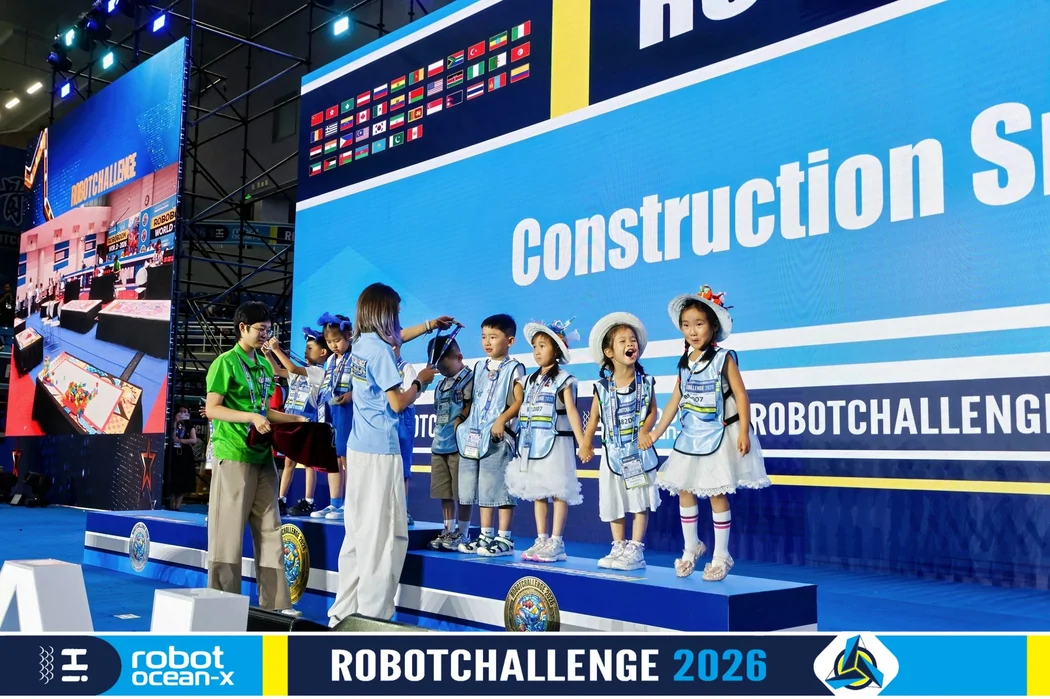
Competitors stand side by side on a blue podium as staff present their awards.
On the World competition podium2026

Meet the competitors

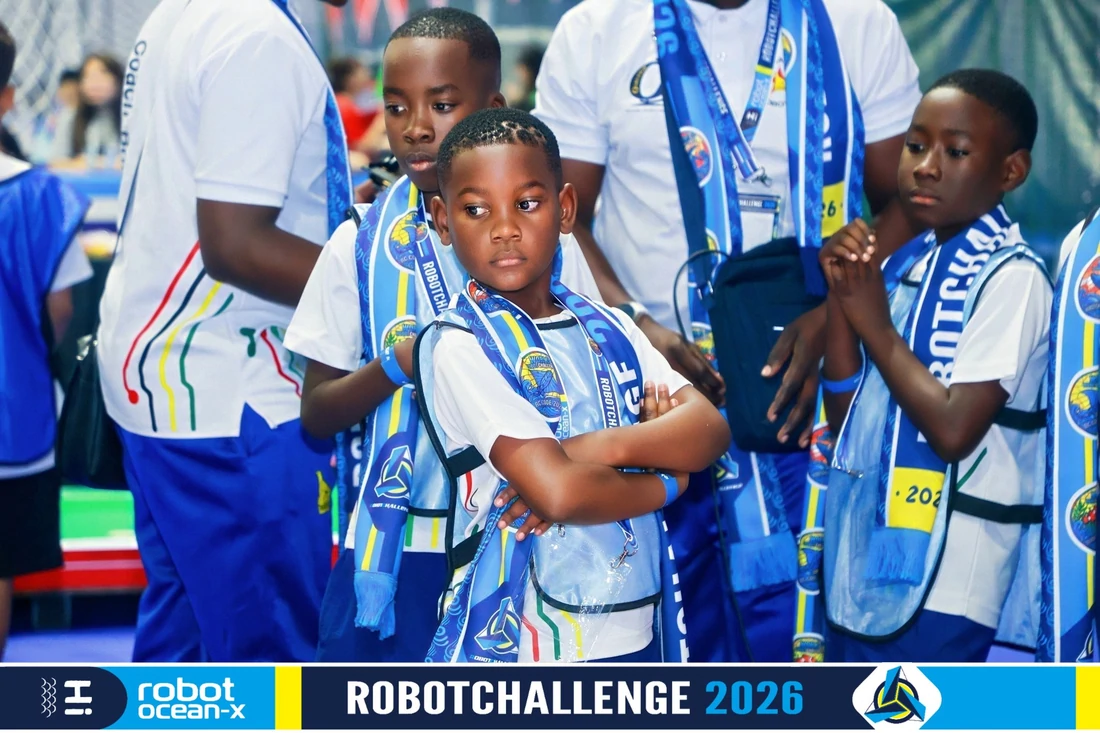
A young competitor wearing an event badge stands at the edge of the competition area with teammates in matching white shirts.
Waiting with teammates2026
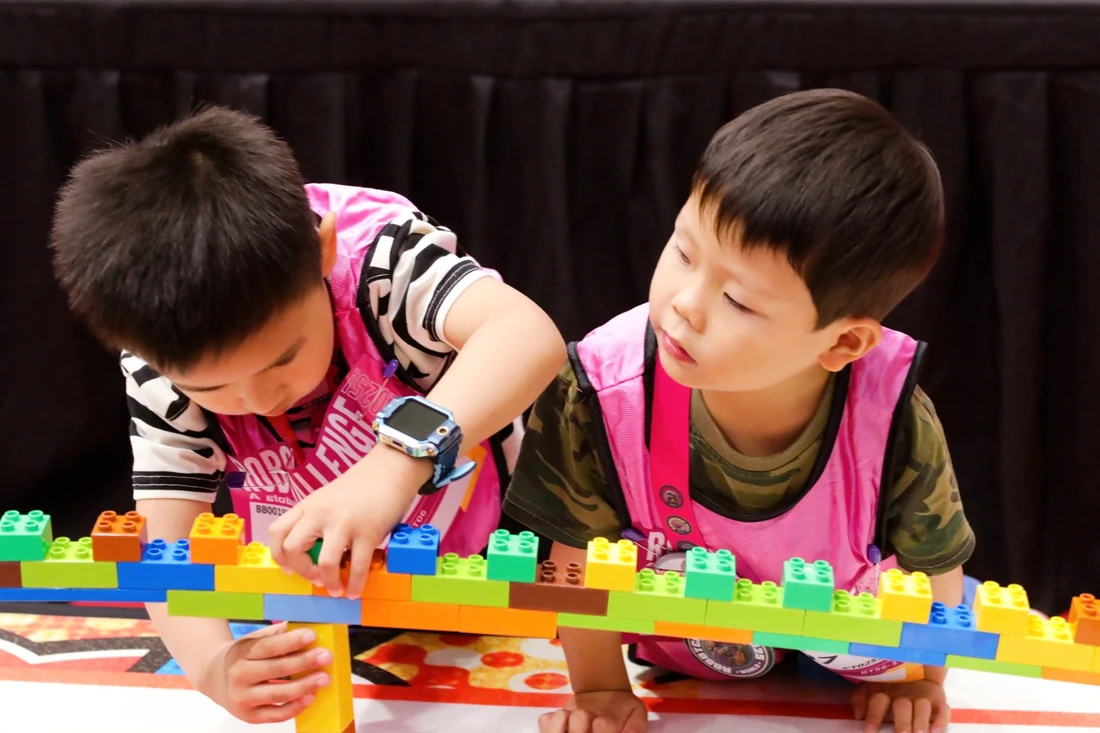
Two young competitors work together across a table: one supports a long bridge while the other presses the building blocks firmly into place.
Two builders, one bridge2025
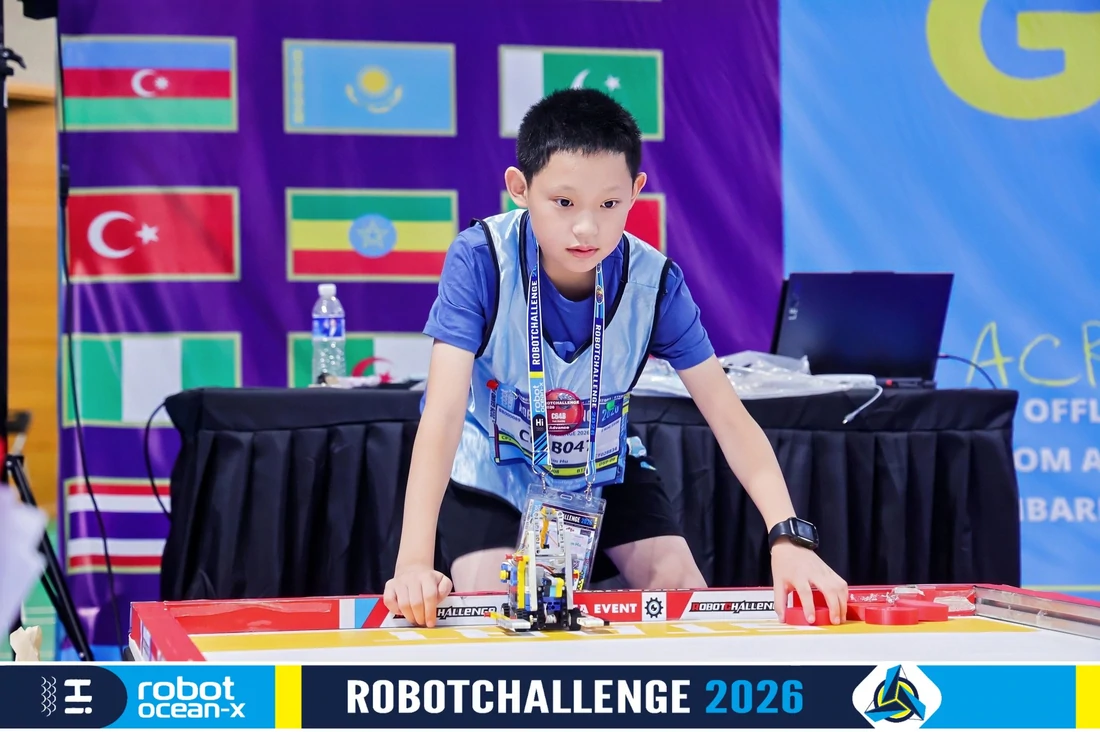
A young competitor stands behind a vehicle, watching the track. A venue backdrop displaying many national flags is behind them.
Vehicle ready2026
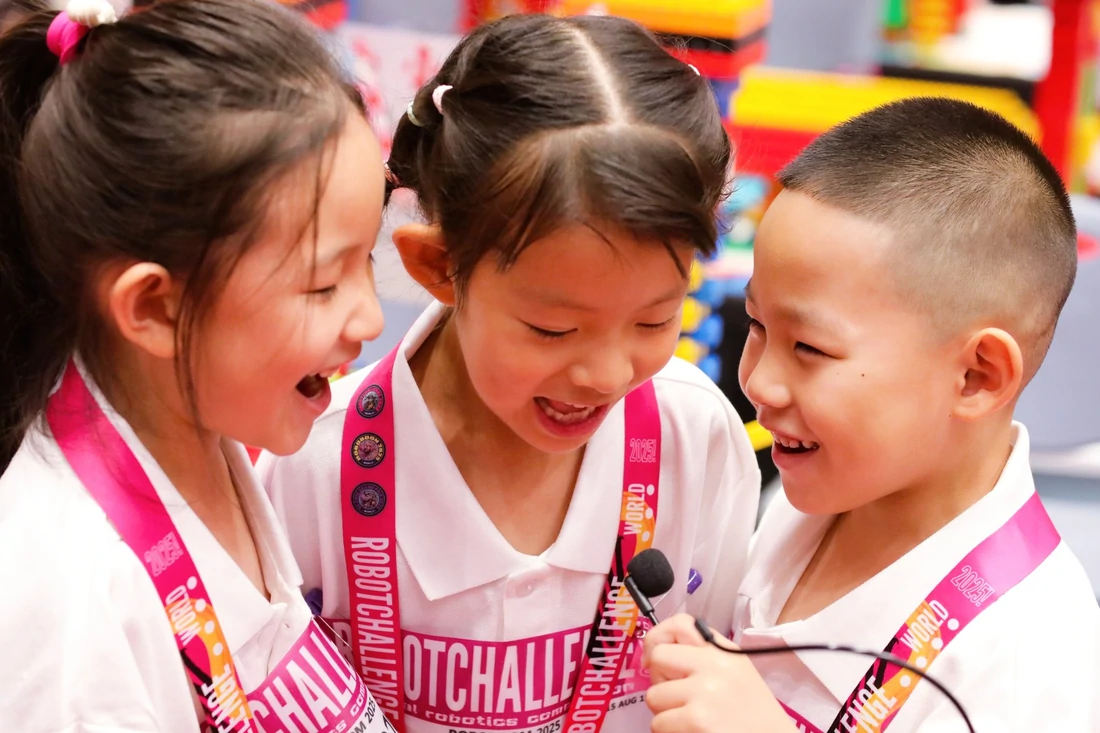
Three young competitors with pink event badges gather around a microphone and laugh.
Sharing a laugh at the microphone2025
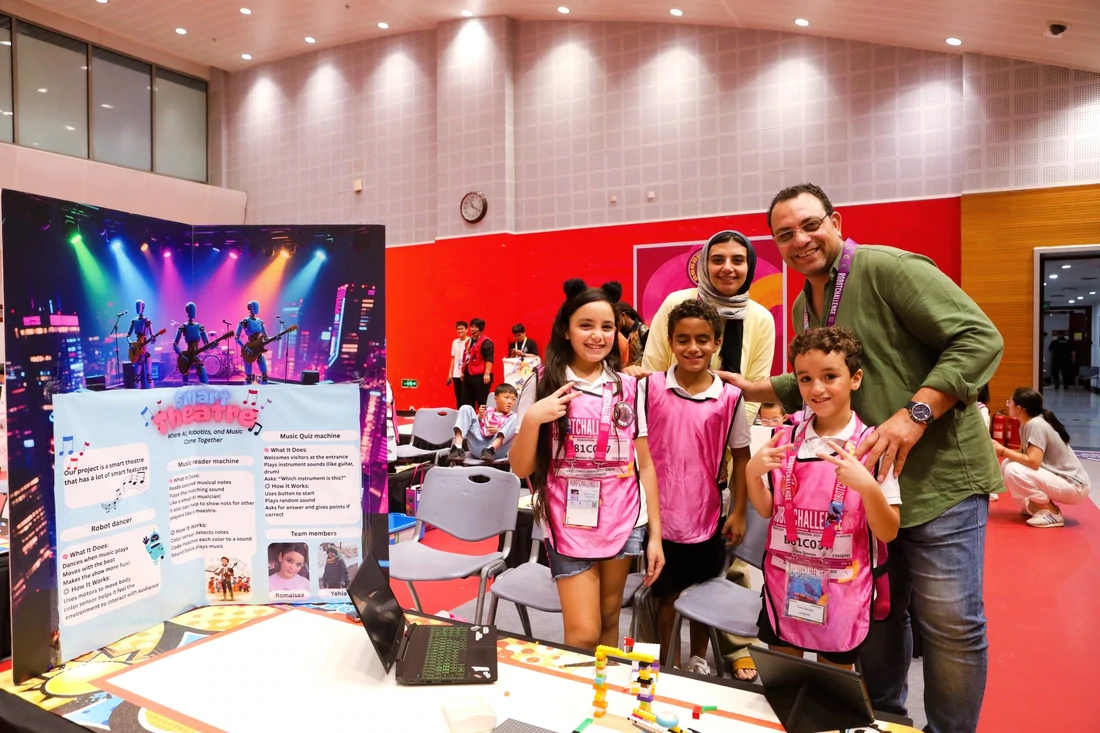
Three young competitors in pink vests and two adults smile for the camera beside their project display.
A photo with their own creation2025
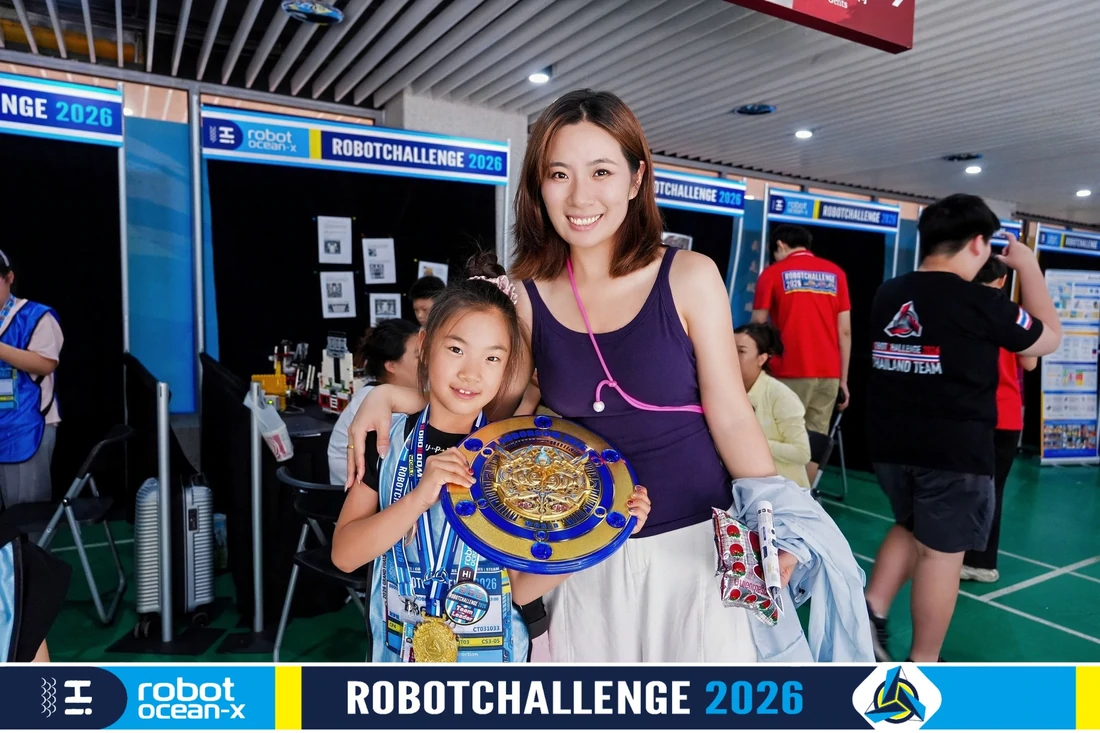
A young competitor wearing a medal and an accompanying adult hold up a round medal together for a photograph.
Holding up a medal together2026

THE COMPLETE SEASON LINEUP

Twenty events.
Two ways to choose.

  • 8Progressive Events

    By learning stage
  • 12Specialty Events

    By interest

Four directions in Specialty Events

L1A–L4B Reference stage in the syllabus

Structures and creativity

  • Limit Balance
    L1A

    Build a structure that reaches as far outwards as possible and remains stable when you let go.

  • Construction Smart
    L1B

    Build a themed scene with large building blocks, then turn its mechanisms by hand to bring it to life.

  • Construction LEGO WEDO
    L3B

    Build a themed scene with LEGO WeDo, and program the movements of its characters and mechanisms.

Mechanisms and handling

  • Interesting Construction
    L1B

    Crank a rescue mechanism to bring stranded-person props back to the platform, one by one.

  • Mechanical Ingenuity
    L1B

    Use a winch to pull a ball-carrying vehicle, then a mechanical arm to transfer the ball into position.

  • Mechanical Construction
    L2A

    Use the elastic force of rubber bands to transport balls, collect them with a gripper, then launch them into a basket.

Control and transport

  • Strategic Mastery
    L2B

    Coordinate three devices in sequence to connect collection, hoisting and transport.

  • Curling Challenge
    L3A

    Remotely control a robot to release a curling stone and let it slide along the field into the scoring zone.

  • Smart Control Challenge
    L3B

    Use the same vehicle to complete transport tasks in both remote-control and autonomous modes.

Racing and parades

  • LEGO Line Straight Sprint
    L4A

    Build a racing vehicle with LEGO equipment and follow a straight line autonomously, competing for the fastest finish.

  • Line Straight Sprint (standard)
    L4A

    Equipment brands are unrestricted. After detecting the starting light, the vehicle follows the line autonomously across the finish.

  • RoboParade
    L4B

    Send a themed parade float along a line. It senses its distance from the vehicle ahead, stopping and starting autonomously.

THIS SEASON’S CREATIVE THEME
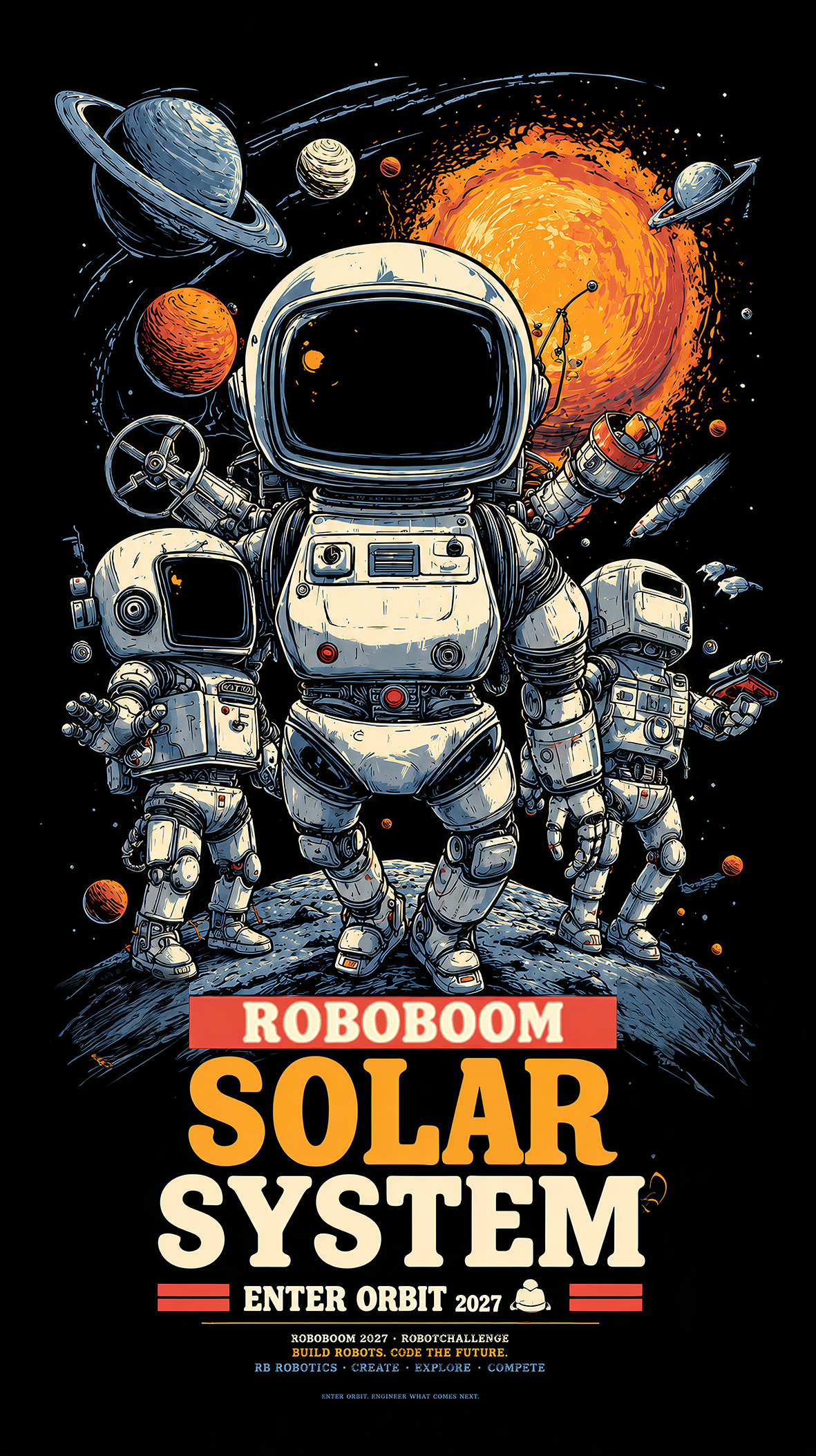
Solar System · Enter Orbit

The robot astronaut on the season poster stands on the lunar surface, with the Sun and stars behind it.

This season, three RB Specialty Events take the Solar System as their creative theme. Choose a way to build that you enjoy, and tell a story set in the Solar System.
Construction SmartBuild a lunar base with interconnected modules.
Construction LEGO WEDOUse a mechanical arm to move lunar rocks from the ground into a sample module.
RoboParadeLet your parade characters travel along an orbit and meet at a space station.
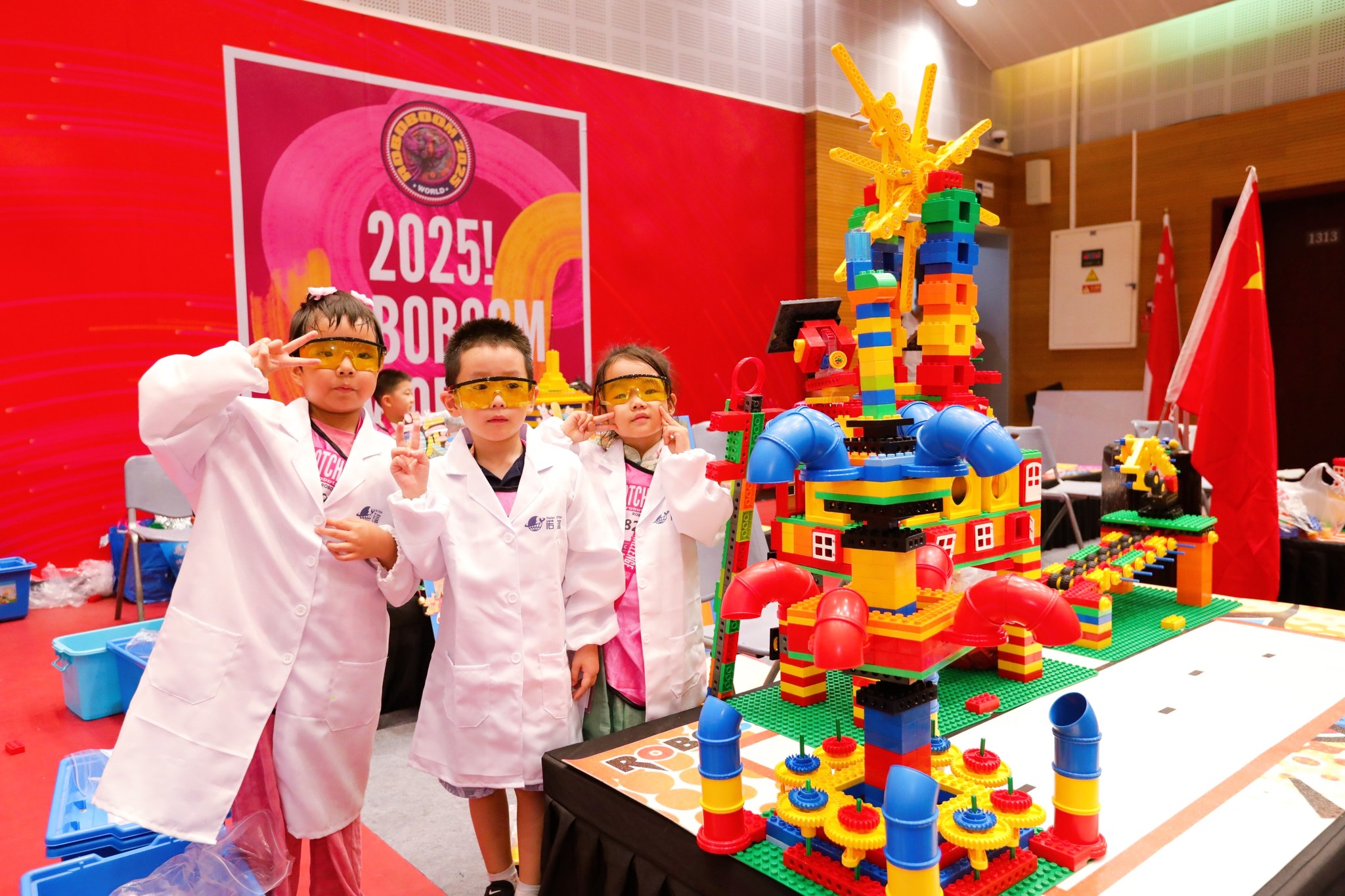
At a ROBOBOOM competition, three young competitors in white lab coats and yellow safety goggles pose beside a colourful block construction featuring a windmill and pipes.

Bring your creation.See you at ROBOBOOM!

Your guide to the new season

Official resources and registration

Visit the ROBOBOOM website to read the L1–L4 Stage Syllabus and event rules, watch competition explanation videos, and create an account and register through the relevant competition entry point.

WWW.ROBOBOOM.CN

Schedules and activity enquiries

For local schedules, competition resources or information about hosting Alliance Activities at your organisation, please contact your local YELGEA EVENT regional manager.